World Rivers Day, another step towards freeing our rivers

This September, thanks to the support of the European Rivers Network under the Open Rivers Programme, a number of river barrier removal projects are scheduled in France, in sub-basins of the Dordogne, Loire, Gave de Pau and Rhône (see details in the press release).

After three years of implementation of the Open Rivers Programme, more than 140 projects have been supported throughout Europe, including around ten in France, thus contributing to achieving the objective of 25,000 km of free rivers by 2030 in Europe, as set out in the European regulation on nature restoration and measure 20 of the National Strategy for Biodiversity (SNB) 2030, which aims to strengthen actions in favour of ecological webs and remove their main obstacles. Faced with the consequences of climate change, removing weirs and dams that have no use or have a high impact is a key measure for limiting the warming of water, restoring access to refuge areas and increasing the resilience of habitats and species.

On World River Day, we feel it is important to point out that life in our rivers and the quality of our watercourses is still too severely degraded and that urgent action is needed to halt the erosion of biodiversity and cope with the effects of climate change. ‘Repairing rivers and making environments and species more resilient to variations in temperature and hydrology will depend solely on our actions and involvement. There is still a huge task to be done, and it is sometimes difficult to get people to accept it,’ explains Roberto Epple, President of the European Rivers Network. Yet these projects are the result of a long, complex and collective process, combining technical work and consultation, and sometimes militant struggle. So each ecological restoration project is a source of pride, an event to be celebrated that contributes to restoring our shared heritage.

The projects taking part in the Open Rivers Programme are located in sensitive, protected areas with high biodiversity potential, and will help to reconnect habitats for fish (trout, lamprey, salmon), white-clawed crayfish and pearl mussels. ‘By re-establishing the natural dynamics of the watercourse and facilitating the movement of species, we are restoring the system and the complex interactions between living beings and their environments, and providing an additional opportunity to adapt to climate change. These are ‘no-regrets’ measures that benefit everyone,’ explains Corinne Ronot, Project Manager at the European Rivers Network. A range of highly ambitious projects that the European Rivers Network has submitted to the Open Rivers Programme for funding, sometimes in addition to that provided by the French Water Agencies.

Read presse release (in french)

World Migratory Fish Day: Watch and share our videos

To mark World Migratory Fish Day on Saturday 25 May, ERN-SOS Loire Vivante is launching three videos about Atlantic salmon and ecological continuity.

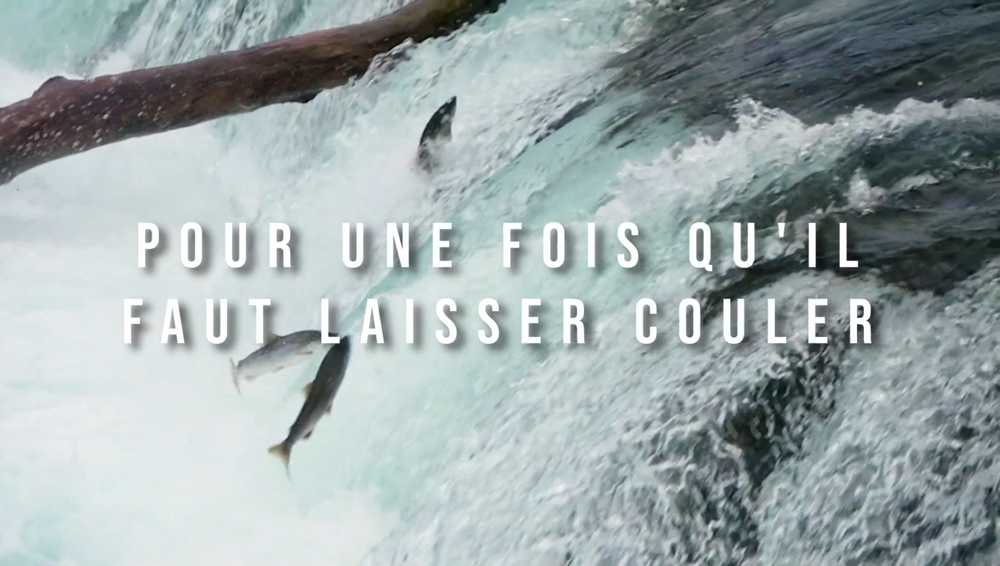
These videos are previews of remixed extracts from the documentary entitled “Pour une fois qu’il faut laisser couler”, which will be released shortly.

The 2-minute portrait and landscape modules presented here, in French and English, plunge you into the life of the Atlantic salmon in the Allier and Sélune rivers and present 2 major innovative and far-reaching actions that France has taken to restore access to the upstream areas of rivers and streams, the historic breeding grounds of the Atlantic salmon.

Discover these videos :

The New Poutès, the dam that opens for wild salmon 
watch the French version / watch the English version

Allier River : An obstacle course for salmon
watch the French version / watch the English version

France: The largest dam removal project in the world, 2017-2022
watch the French version / watch the English version


All the videos can also be viewed on our new YouTube channel: “Rivières Vivantes – Laisser Couler”: https://www.youtube.com/channel/UCjokCmOpXMcgD4ag3UY3ctg

Note :

  • France is the European leader in the restoration of ecological continuity, particularly through the removal of small and large transverse structures. Since 1997, it has built up recognised expertise through innovative policies and major international projects. At a time when the decline in populations of migratory fish and fish at the head of river basins, such as trout, is alarming, we need to pursue innovative actions that provide the most effective response to the challenges of biodiversity.
  • To publicise France’s experience, you will soon be able to watch the full documentary produced by ERN – SOS Loire Vivante as part of the OFB’s Mobbiodiv call for projects. The 3-part film, told from the point of view of our association, traces the history of the major events and projects that have marked the restoration of free movement of rivers in France from 1997 to the present day.
    “For once it’s time to let things flow
    part 1/3: Reopening river routes to large migratory species
    part 2/3: Reconnecting small and medium-sized rivers
    part 3/3: Rethinking and reconfiguring major blocking structures

81% average decline in migratory fish populations since 1970

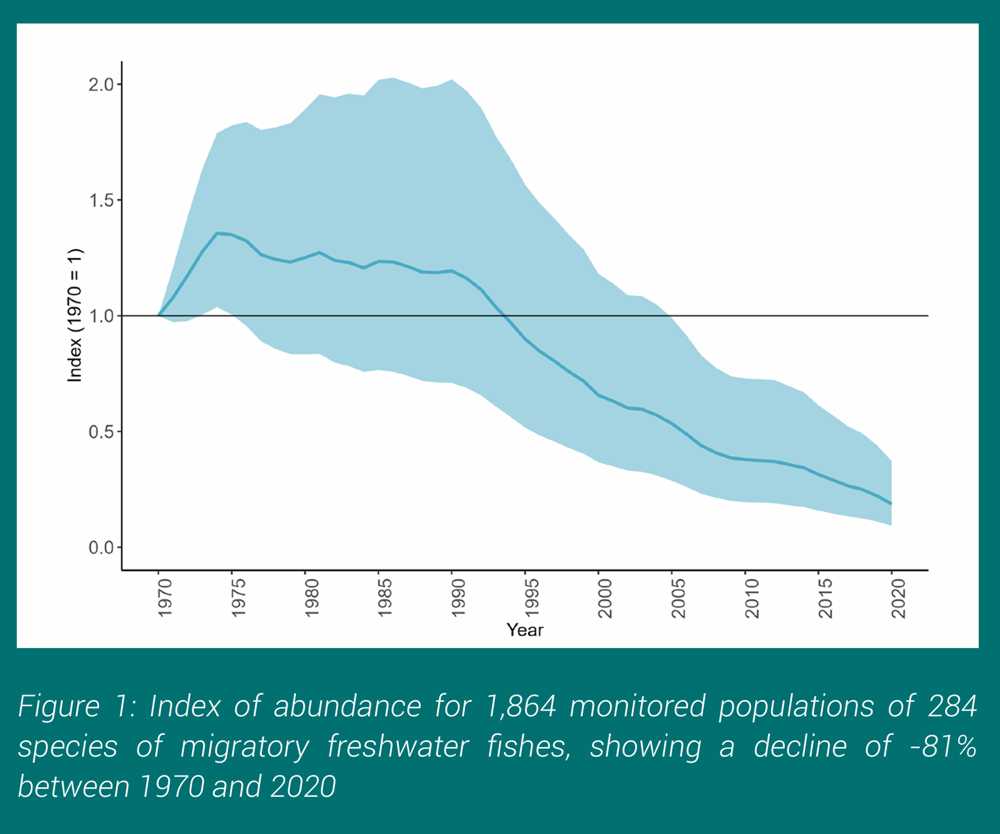
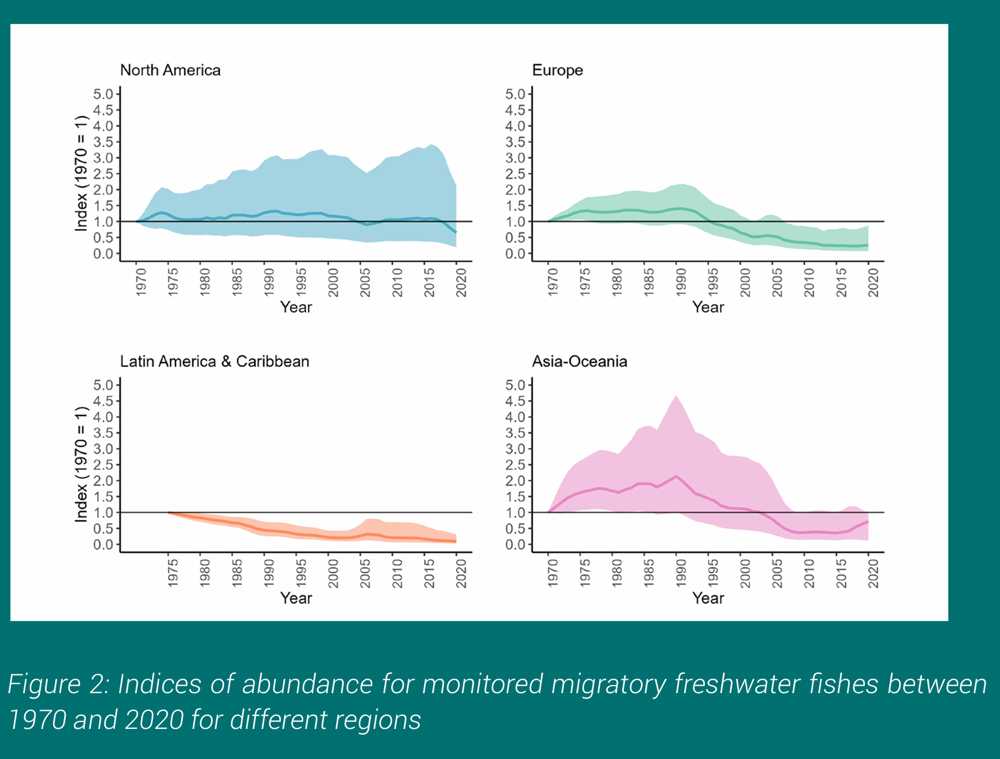
The new Living Planet Index (LPI) report on migratory freshwater fish published today by the World Fish Migration Foundation (WFMF), ZSL, IUCN, The Nature Conservancy (TNC), Wetlands International and WWF has highlighted an 81% decline in the size of monitored populations on average between 1970 and 2020, including catastrophic declines of 91% in Latin America and the Caribbean and 75% in Europe.

Populations of migratory freshwater fish species continue to decline across the globe, risking the food security and livelihoods of millions of people, the survival of countless other species, and the health and resilience of rivers, lakes and wetlands. Habitat loss and degradation – including fragmentation of rivers by dams and other barriers and conversion of wetlands for agriculture – account for half of the threats to migratory fishes, followed by over-exploitation. Increasing pollution and the worsening impacts of climate change are also fuelling the fall in freshwater migratory fish species, which have now been declining consistently for 30 years.

The index reports on population trends of 284 monitored freshwater f ish species, representing 1,864 populations (Figure 1). Globally, the index shows a decline of -81% between 1970 and 2020, or an annual decline of 3.3%. This downward trend has been consistent over the last 3 decades. In terms of global species trends, 65% of species have declined on average, while 31% have increased.

In a press release Herman Wanningen, founder of the World Fish Migration Foundation said Herman Wanningen, fondateur de la World Fish Migration Foundation a déclaré “The catastrophic decline in migratory fish populations is a deafening wake-up call for the world. We must act now to save these keystone species and their rivers. Migratory fish are central to the cultures of many Indigenous Peoples, nourish millions of people across the globe, and sustain a vast web of species and ecosystems. We cannot continue to let them slip silently away.”

The report is not all doom and gloom. Nearly one third of monitored species have increased, suggesting that conservation efforts and improved management can have positive impacts. Some promising strategies include the improved and/or species-focused management of fisheries, habitat restoration, dam removals, the creation of conservation sanctuaries, and legal protection.

For example, in Europe and the United States, thousands of dams, levees, weirs and other river barriers have been removed in recent decades, and momentum for such actions is growing*. Dam removals can be cost-effective, job-producing solutions that help reverse the disturbing trend of biodiversity loss in freshwater systems as well as solutions that improve river health and resilience for people, too.

While scaling up dam removals is a key solution to reversing the collapse in freshwater migratory fish populations, there are more. Decision makers across the globe must urgently accelerate efforts to protect and restore free-flowing rivers through basin-wide planning, investing in sustainable renewable alternatives to the thousands of new hydropower dams that are planned across the world as well as other measures that contribute to the ambitious goals in the Kunming-Montreal Global Biodiversity Framework to protect 30% of inland waters and restore 30% of degraded inland waters. Rising to the Freshwater Challenge’s goal of restoring 300,000 km of degraded rivers will contribute enormously to reversing the trend in migratory fish populations.

Along with protecting and restoring healthy rivers, there is an urgent need to strengthen monitoring efforts; better understand fish species’ life-history, movement and behaviour; expand international cooperation, such as adding more freshwater migratory fish species to the Convention on Migratory Species (CMS); and promote greater public and political engagement.

There are many initiatives around the world supporting the recovery of migratory fish species and freshwater biodiversity in general. The Emergency Recovery Plan for Freshwater Biodiversity highlights a variety of measures that could transform the management and health of rivers, lakes and wetlands to improve the health of freshwater systems and biodiversity.

Read the executive summary

Read the study 

*In 2023, Europe removed a record 487 barriers – a whopping 50% increase over the previous high reported in 2022. Meanwhile, in the United States, the largest dam removals in history are currently underway along the Klamath River in California and Oregon.

Read press release (en anglais) 

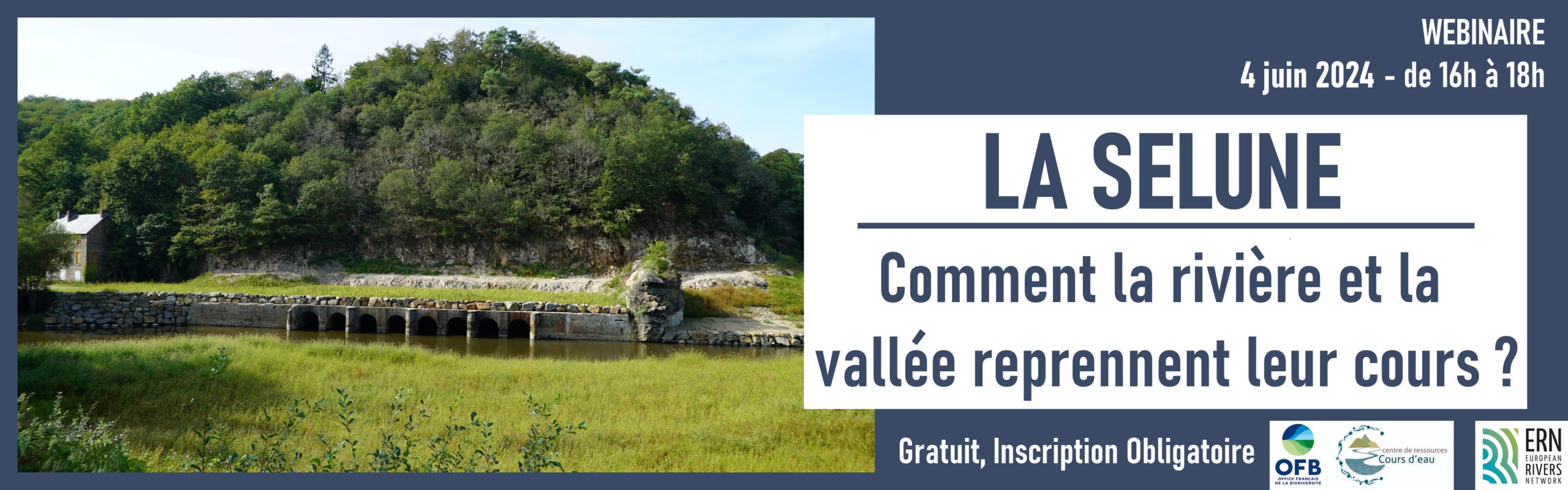
Save the date: Tuesday 4 June from 4pm to 6pm Webinar Sélune – how do the river and the valley get back into flow?

In the series of Tuesday webinars organised by ERN- SOS Loire Vivante, book your Tuesday 4 June trip to the Sélune.

ERN France in partnership with the OFB is organising a webinar on the Sélune on Tuesday 4 June from 4pm to 6pm.

We will be welcoming 3 researchers. They will present the latest results of their work. Focusing on the post-effacement phase, we will try to understand how the river and the valley are resuming their course. The presentations will be followed by an hour of discussion.

Programme:

Alain Crave: Restoration of sedimentary, hydric and chemical continuity and changes in water quality
François Martignac: Recolonisation of the Sélune valley by migratory fish
Marie-Anne Germaine: What project for the region after the dismantling of the Sélune dams? A social approach to ecological restoration


If you are interested, register to take part in the webinar (in french) : https://us02web.zoom.us/webinar/register/WN_ytrz6dxMQUCAhysM6DCCVw

All replays of our webinars (french only) :  Webinaires – European Rivers Network (ern.org)

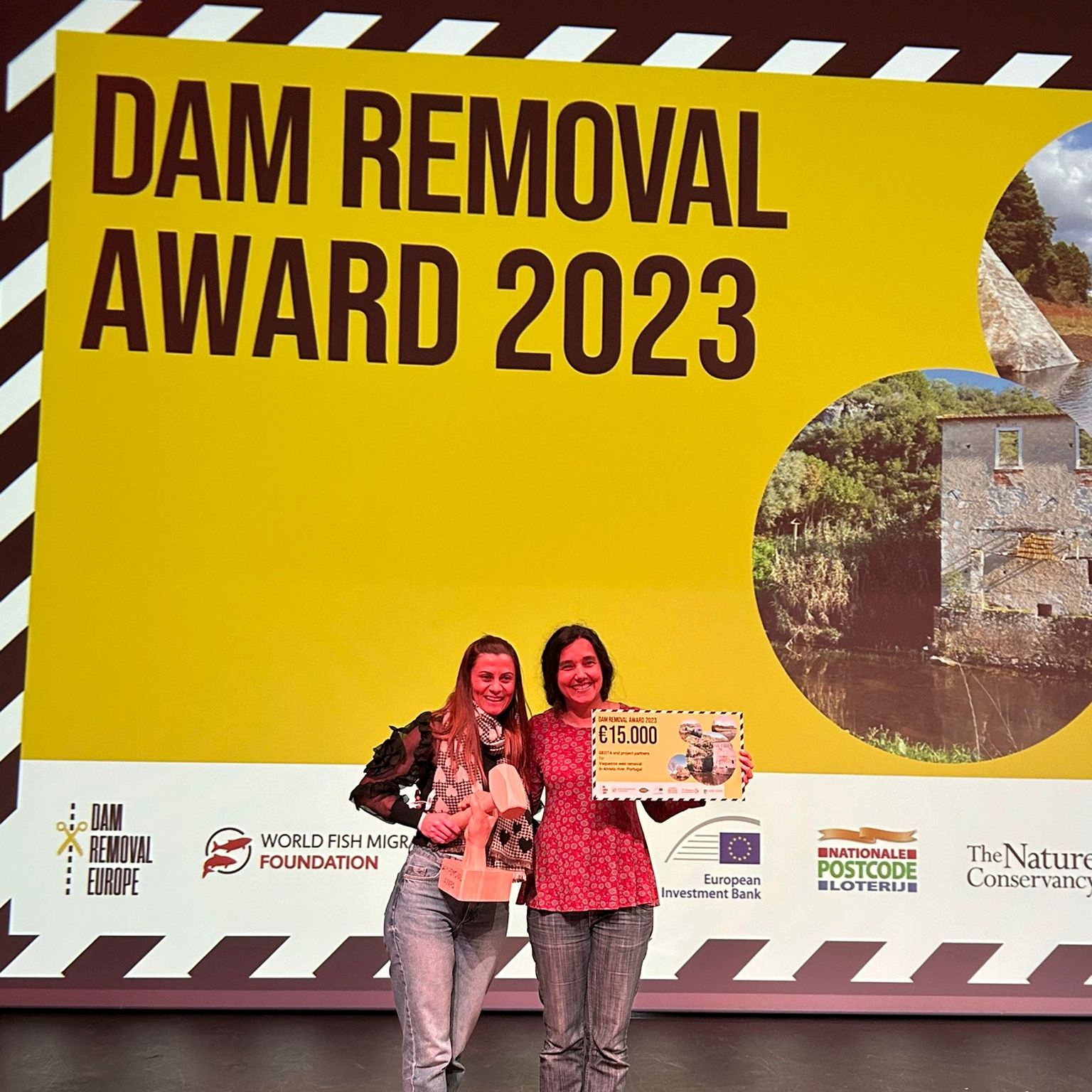
The Dam Removal Award 2023 returns to Portugal

The Free Flow conference organised by the World Fish Migration Foundation in Groningen has just come to an end. The 2024 winner of the Dam Removal Award was announced. 3 projects were finalists and the jury and public vote, taken in equal parts, awarded the prize to GEOTA in Portugal for the removal of the Vaqueiros dam on the Alviela river. Congratulations to them, they have won a cheque for €15,000. Congratulations also go to the other nominees, including the Fédération de pêche 64 for the removal of the Urrutienea dam on the Nivelle (5m high), where the results were immediate, with salmon re-colonising the upper reaches of the river. This is already a great victory.

More info on french case : https://www.ern.org/fr/urrutienea-finaliste-du-prix-europeen-pour-la-suppression-des-barrages-2023-les-votes-sont-ouverts/

Find out more about the winning project :https://damremoval.eu/dam-removal-award-2023-winner/

© DRE

Logo Openrivers

Open Rivers Programme selects a new project submitted by ERN

Following the successful removal of 4 weirs on the Tardoire in 2023, ERN will have the pleasure of supporting, as part of the Open Rivers programme, the removal of the Pont de Rhodes weir being carried out by the Syndicat Mixte de la Dordogne Moyenne et de la Cère Aval, on the Ressegue, a sub-tributary of the Cère (BV Dordogne). The water pearl mussel, which is on the IUCN red list, is present in this basin. The restoration work will reconnect 12.3 km, i.e. 96% of the length of the Ressegue, and 23 km of watercourses throughout the catchment area.

The work will be 100% funded by the Open Rivers programme, for which ERN and the SMDMCA applied in 2023. The study phase was also financed by the Open Rivers programme with the ERN/SMDMCA partnership.

The next call for applications is set for 29th October 2024 (grant categories A: Programme-supported dam removals and B: Enabling others to remove dams).

More infos : https://www.ern.org/fr/openrivers/


Dam removal report is out : Record year for dam removals in Europe as report warns of safety risks of ageing barriers

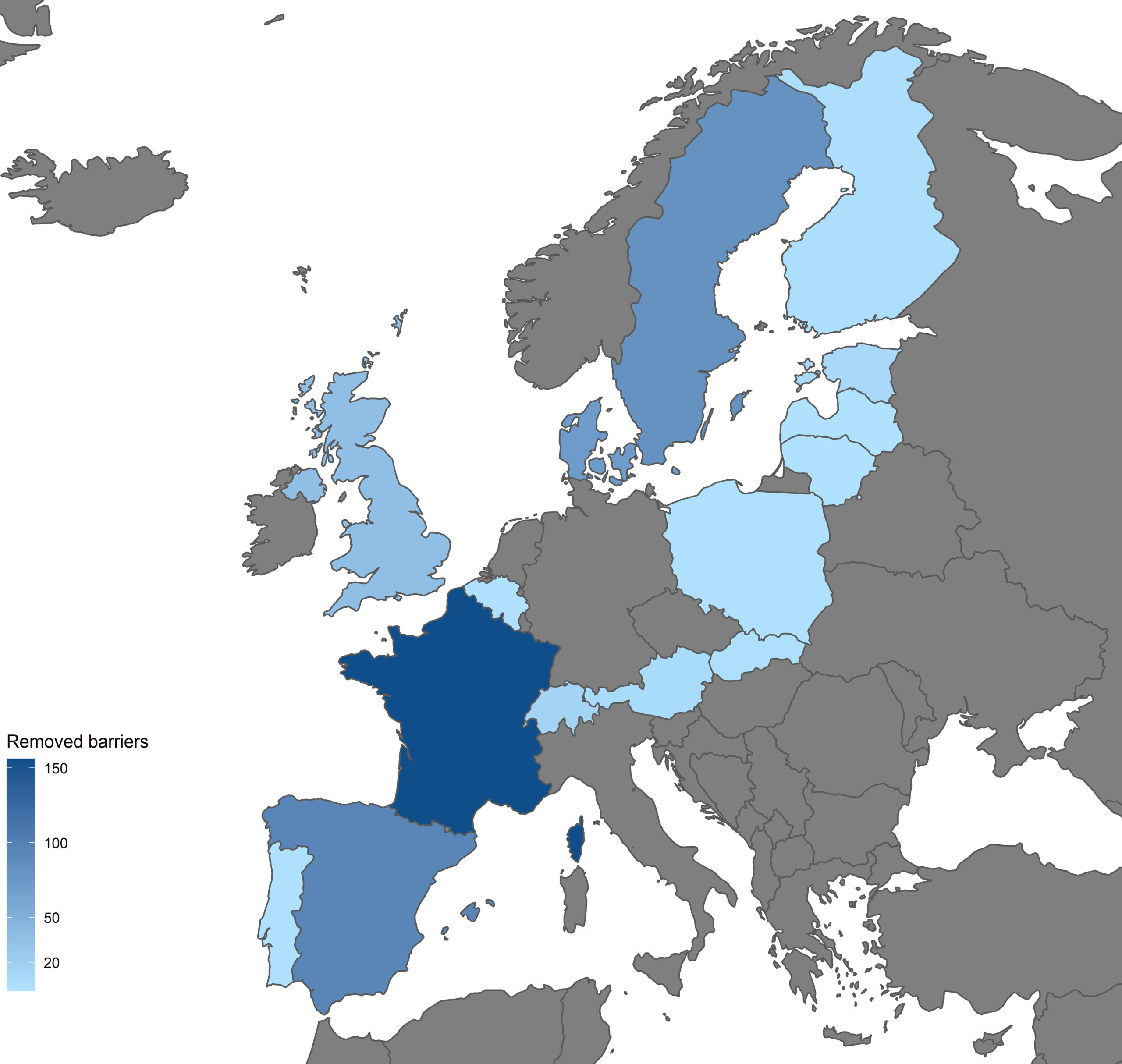
487 dams and weirs to be removed in 15 European countries by 2023

Dam Removal Europe published its report on progress in removing river barriers in Europe in 2023 on 15 April. 487 barriers were removed in 15 European countries in 2023, an increase of 50% on last year’s figure. These initiatives have enabled more than 4,300 kilometres of river to be reconnected. France is back at the top of the league table, with more than 150 listed structures to be removed by 2023.

Even though the number of obstacles has reached a record high again this year, this is also due to improved reporting to the DRE. In addition to the growing number of structures and countries freeing up their waterways, the report also highlights the safety risks posed by ageing structures, reporting 129 deaths in recent years.

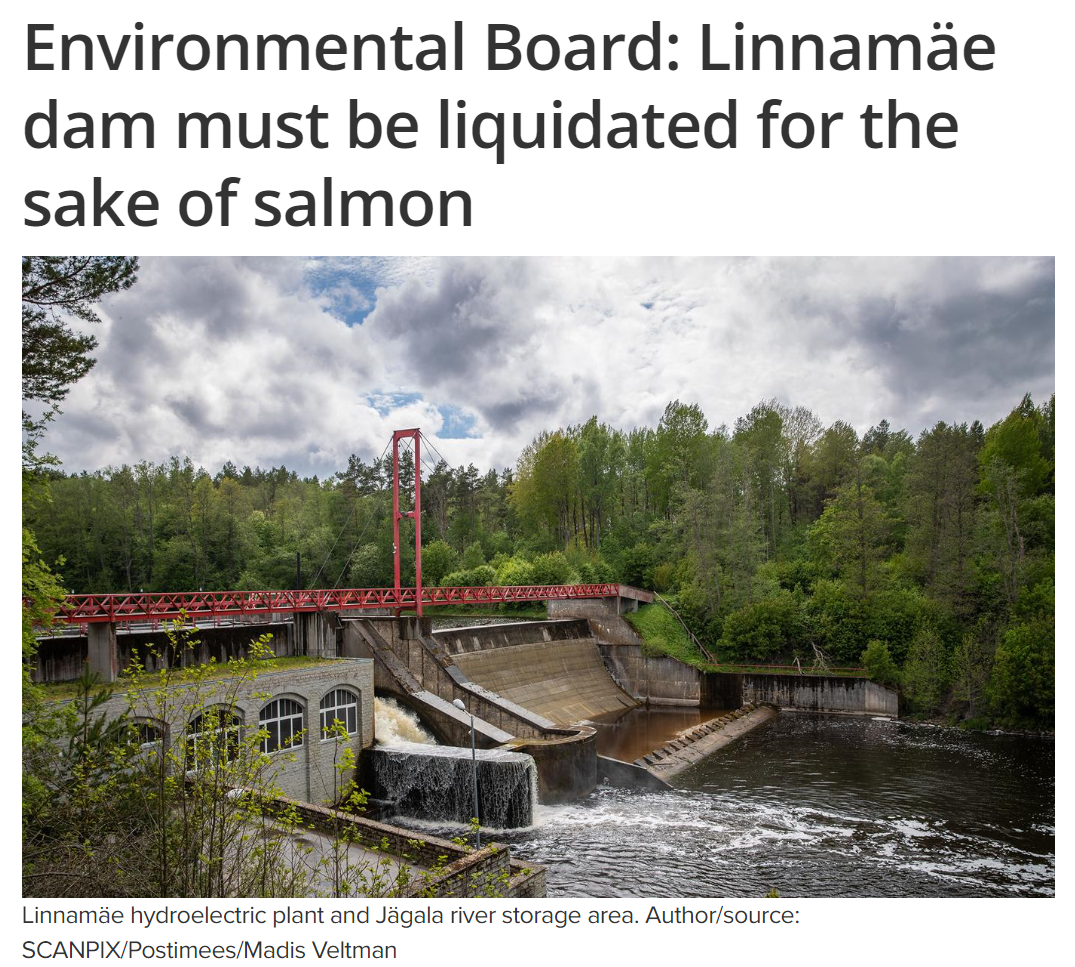
France has been removing obstacles from its rivers for many years, and we welcome the fact that the idea of freeing up rivers is gaining ground in other European countries. France’s river restoration policy is an example elsewhere in Europe and remains inspiring. But in other countries too, a policy to restore free rivers is taking shape. In Estonia, for example, the Supreme Court handed down a landmark ruling on 15 January 2024, setting a precedent for the removal of dams in the country. The judge designated the Ministry of the Environment as the competent authority to reconcile heritage and environmental interests.


A few years earlier, the NGO Jägala Kalateed had embarked on a project to restore the river Jägala as a Natura 2000 area, with a strong focus on salmon. But the Ministry of Culture and the Ministry of the Environment had been unable to agree on how to deal with the issue of ageing dams. On the one hand, dams are part of our cultural heritage and, on the other, they pose a threat to rivers. After more than two years of petitions and legal proceedings, the Supreme Court has announced its final decision: where cultural and environmental interests conflict, supreme authority lies with environmental rules (including the derogation clause in the Habitats Directive). Thanks to this decision, on 8 April 2024, the Estonian Environmental Office decided to officially cancel the permit to use water from the Linnamäe hydroelectric power station, Estonia’s largest hydroelectric dam, for the benefit of salmonids. This announcement will open the door to the largest dam removal in Estonia.

* Map of European countries reporting dam removals in 2023. The colour gradient corresponds to the number of removals per country.

Read DRE press release

DRE report : https://ern-sosloirevivante.org/wp-content/uploads/2024/04/Web-version_DRE-Report-2023.pdf

Find out more about the case of Estonia : https://damremoval.eu/supreme-court-estonia/

Coming soon: Advocacy videos for ecological continuity

With the support of the OFB as part of the Mobbiodiv call for projects, ERN will shortly be publishing a documentary on the restoration of ecological continuity in France from 1997 to the present day. Entitled “Pour une fois qu’il faut laisser couler”, the 3-part film traces the history of the major events and projects that have marked the restoration of the free movement of rivers in France. It is told from the point of view of our association. English version will aslo be available

Short modules will soon be available on the web.

part 1/3: Reopening river routes to large migratory species
part 2/3: Reconnecting small and medium-sized rivers
part 3/3: Rethinking and reconfiguring major blocking structures

At the end of 2023, the Water and Biodiversity Ministry published a video on ecological continuity, answering questions on the subject and deconstructing preconceived ideas.

Watch the video (in french) Le Vrai / Faux de la continuité écologique des cours d’eau

The removal of the Urrutienea dam in France, finalist in the European prize for the removal of dams 2023, votes are open

The removal of the Urrutienea dam on the River Nivelle in France has been selected to compete for the European prize for the removal of dams.

3 projects have been shortlisted: “Removal of the Urrutienea dam on the River Nivelle in France”, “Removal of the Garlogie dam in Scotland” and “Removal of the Vaqueiros weir in Portugal”. You can now vote for your favourite. Voting is open until 22 March at 11:59. Vote now! Dam Removal Award Nominees 2023 – Dam Removal Europe 

Focus on the project on the Nivelle, the other projects can be found on the DRE website.

At the heart of a cross-border landscape between Spain and France, the Nivelle is a river rich in biodiversity and is a major centre of interest for this tourist region in summer. The 5-metre-high dam had been out of action for 10 years! An impassable barrier for migratory fish, in particular salmon, eels and other emblematic species (freshwater pearl mussels, Pyrenean Desman, European otters, white-clawed crayfish and others). The fishing federation, which initiated the project, bought the site in order to dismantle it completely. On the Spanish side, their partners had already worked on removing the obstacles, and they knew that this dam was the last completely impassable dam on the Nivelle.

Their main obstacle was to convince the local authorities that economic development (hydroelectricity) could not be achieved at the expense of local biodiversity. All in all, it took 20 years to break the deadlock!

Just two months after completion of the work, the results are extraordinary. The first Atlantic salmon spawning grounds located 6 km upstream of the dam were observed in Spain – for the first time in several centuries!

The work carried out in parallel since 2020 to conserve and restore the freshwater pearl mussel on the Nivelle has also been decisive. This species, the only one genetically unique in the Pyrenees, lives in symbiosis with salmon. These actions include reproduction to boost the natural population, which was threatened with extinction within the next 10 years. Removing the dam was therefore essential to restoring the habitat and reclaiming the whole of the upstream catchment.

Numerous partners were involved in the project: scientific research bodies (INRAE), associations (AAPPMA Nivelle, CEN Nouvelle Aquitaine, MIGRADOUR), the Government of Navarre, the vocational college (which houses the facilities for the ex-situ pearl mussel rearing project), and foundations (Fondation française des pêcheurs, Fondation Arcadia – Open Rivers Programme).


The Dam Removal Award is organised by Dam Removal Europe, the World Fish Migration Foundation, the European Investment Bank, and The Nature Conservancy, supported by the Dutch Postcode Lottery, Forest Peace Foundation and ABN AMRO Bank. The most inspiring project will be awarded a special trophy and 15.000 Euros towards the team’s next removal project, and the winner will be revealed during the upcoming Free Flow Conference in Groningen, The Netherlands. 


Protest on the Albanian Shushica River: Vjosa National Park in danger

++ An entire valley stands up against the diversion of its water: On Saturday, 24 February, the mayors from the Shushica Valley gathered to protest the nature-destroying plans for the Shushica ++ Albanian government wants to divert the water from the Vjosa tributary ++ Vjosa National Park in danger after just one year ++

Press release from EuroNatur, Eco Albania and Riverwatch

Radolfzell, Vienna, Tirana, Kuç. 12 mayors and numerous other residents of the Shushica Valley and other regions of the Vjosa National Park, activists, lawyers and scientists gathered this morning in the village of Kuç on the banks of the Shushica River. They are protesting the plans of the government in Tirana to take the water from the Shushica and channel it to the Mediterranean coast 17 kilometres away in Himara to promote mass tourism there.

Officially declared in March 2023, the Vjosa Wild River National Park encompasses the Vjosa and its key tributaries, including the Shushica. However, less than a year later, the Shushica faces potential removal from protected status, leading to the “amputation” of the Vjosa National Park. The proposed withdrawal of 140 litres of water per second from the Shushica would completely dry up the upper river reaches during summer. This poses a significant threat to biodiversity and has severe repercussions for the local population in around 30 affected villages. The intervention may lead to the exclusion of the Shushica from the national park, as such measures are prohibited in this protection category, depriving the local community of the benefits of ecotourism.

Elidon Kamaj – Mayor of Brataj says : “We had high hopes for the national park as we anticipated it would boost economic development. Given our region’s challenges with emigration, establishing the national park held the promise of transformative change for us. However, if our water is now taken away and Shushica loses its national park status, our economic future will be at stake.”

The German development bank Kreditanstalt für Wiederaufbau (KfW) and the Western Balkan Investment Framework (WBIF) are financing the project, and the Austrian company STRABAG is carrying out the construction work. The ministries’ approvals and the financing were based on a completely flawed environmental and social impact assessment (ESIA). The consequences of the project for the Shushica were not analysed, and the people living along the Shushica were not informed. National and international scientists who reviewed these analyses concluded “…the results are misleading and incorrect.” (see attachement).

“We won’t stand by as our water is stolen from us. This project was never communicated to us; its existence only came to light when the construction equipment showed up. We won’t tolerate our water being taken away, and we are prepared to take action to halt the construction.” More than 50 residents filed a lawsuit against this project together with the Albanian nature conservation organisation EcoAlbania. The first court hearing is still pending, declares Astrit Balilaj – Mayor of Kuçi.

“The risk lies in the potential for the water diversion on the Shushica to set a precedent. The actions unfolding today on the Shushica might repeat tomorrow in other sections of the national park. The credibility of the entire Wild River National Park is at stake,” says Olsi Nika, Executive Director of EcoAlbania.

“The Wild River National Park is based on a largely natural, undisturbed water balance in its network of veins. This is what makes this area so unique, which is why people from all over Europe come here. This diversion project, therefore, jeopardises the entire national park. Germany and the WBIF must withdraw from the project if Albania does not stop the construction work immediately and order a real EIA,” says Ulrich Eichelmann, Executive Director of Riverwatch.

“The Albanian government has probably assumed that we will turn a blind eye to one or two nature-destroying projects in return for the designation of the Vjosa National Park, but we will not compromise. We will not give up until the Vjosa and its tributaries are truly safe!” says Annette Spangenberg, Head of Nature Conservation at EuroNatur.

The joint demands of the local residents, mayors, scientists and activists can be summarised as follows:

  1. Halt construction immediately.
  2. Conduct a new environmental impact assessment.
  3. Identify and analyse alternative water resources for the coastal area around Himara as part of the EIA, with the help of national and international experts.

Background information:

– Joint press release by EuroNatur, Eco Albania and Riverwatch,

– In March 2023, the Vjosa National Park was established in Albania, Europe’s first wild river conservation area, which encompasses a total of 404 kilometres of the Vjosa river network with its tributaries Shushica, Drino and Bënça. After less than a year, the national park is now in danger; construction work is already well advanced and is due to be completed in August this year.

– The nature-destroying project has so far also been financed with German taxpayers’ money, namely with funds from the Kreditanstalt für Wiederaufbau on behalf of the Federal Ministry for Economic Cooperation and Development (BMZ) and the Western Balkans Investment Framework (WBIF).

– EIA & position paper available on demand

– The “Save the Blue Heart of Europe” campaign aims to protect rivers with particularly high natural value on the Balkan Peninsula, which are threatened by more than 3,400 hydropower projects and other nature-destroying plans. The campaign is coordinated by the international nature conservation organisations Riverwatch and EuroNatur and implemented together with partner organisations in the Balkan countries. The local partner in Albania is EcoAlbania. Further information can be found at https://balkanrivers.net

– The campaign is supported by the Manfred-Hermsen-Stiftung, among others.