Tag Archive for: #DamRemovalDay

6 obstacles removed and more than 26 kilometres of rivers reconnected

This summer, and particularly since September, 26 kilometres of French rivers have been reconnected upstream thanks to six weir‑removal projects supported by ERN and (co)funded by the Open Rivers Programme. On the occasion of #DamRemovalDay, here is an update on these projects:

– The Souvigne (Corrèze): This is a major project underway on this tributary of the Dordogne: the removal of the Moulin Bas weir, an imposing structure 1.7 metres high and 12 metres wide. The works, led by the SMDMCA, will be completed this autumn. La Souvigne, listed in categories 1 and 2, is the last significant tributary of the Dordogne before the Sablier dam. Restoring this river is crucial for Atlantic salmon. Six additional upstream structures will also be improved, ultimately reopening nearly 27 kilometres of river on the Souvigne and its tributaries. More info
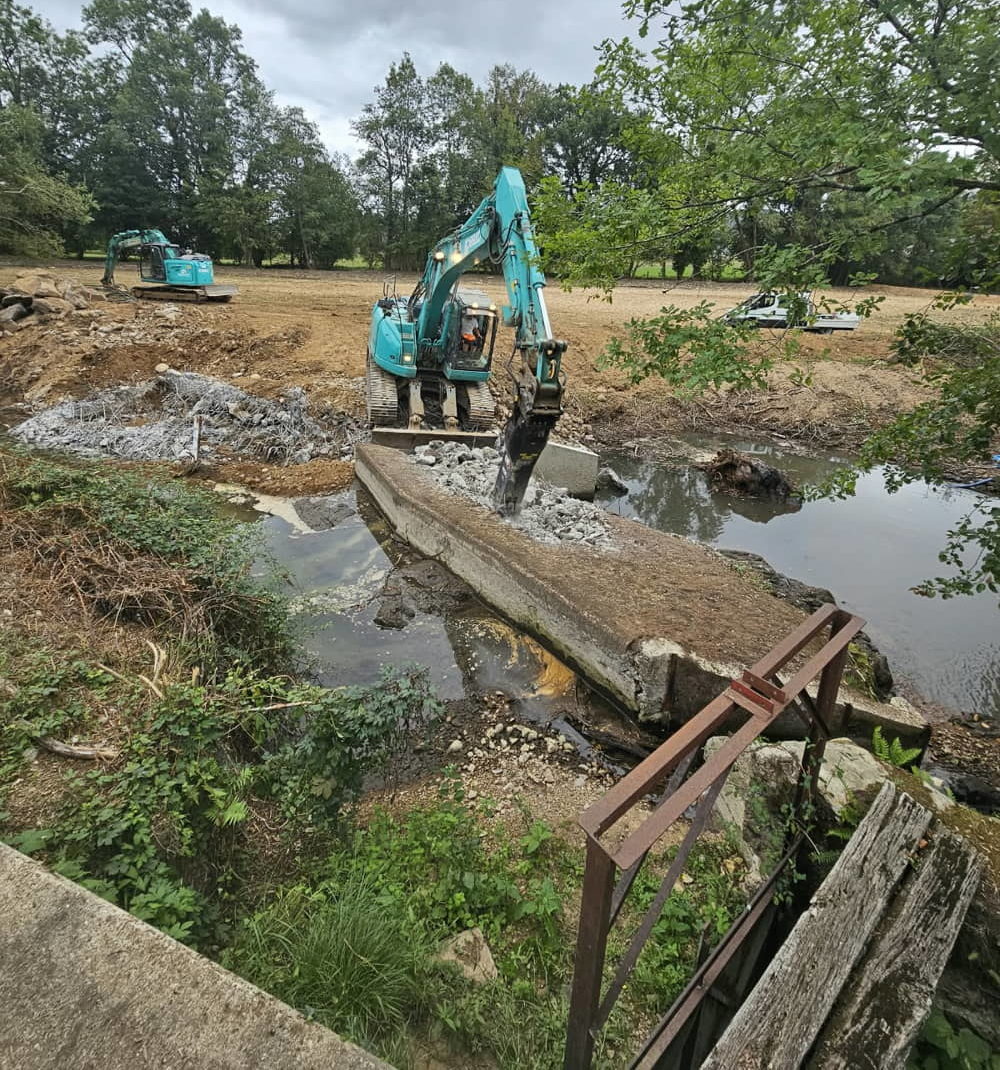
© SMDMCA, Moulin-Bas weir (september 2026)

– The Gave d’Azun (Hautes‑Pyrénées): Reopening this river, listed in categories 1 and 2, is a major objective for ensuring the success of the “salmon” recovery plan in the Gave de Pau basin. Two downstream obstacles on the Gave d’Azun are currently being removed: the Pont de Sailhet weir, led by the municipality of Argelès‑Gazost, and the fish‑farm weir, led by the Hautes‑Pyrénées Fishing Federation. In total, 11 kilometres of main river will be made accessible on the Gave d’Azun as part of a coordinated operation that also includes improvements to additional upstream structures. Work on the two weirs is scheduled to be completed during November. More info
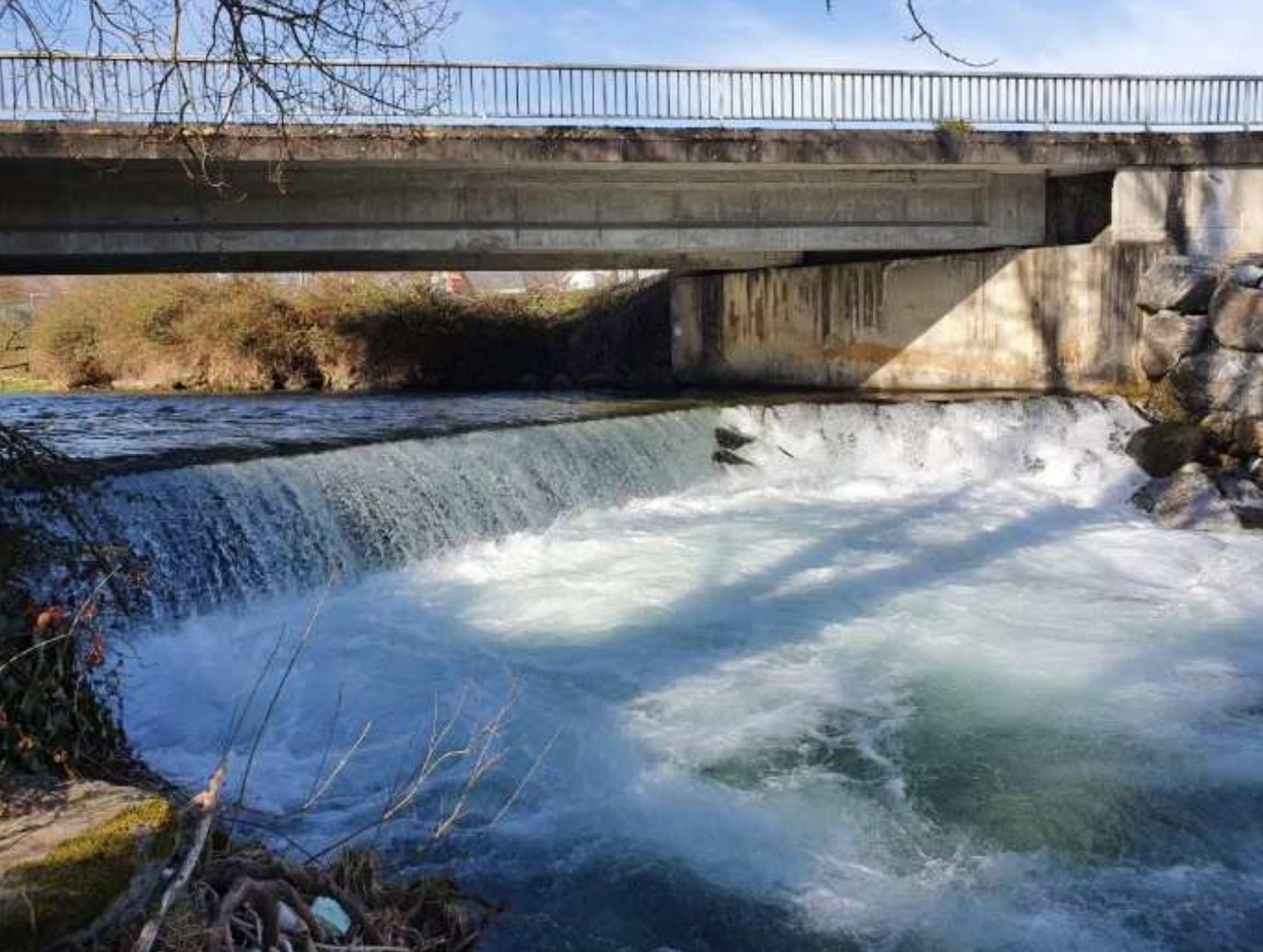
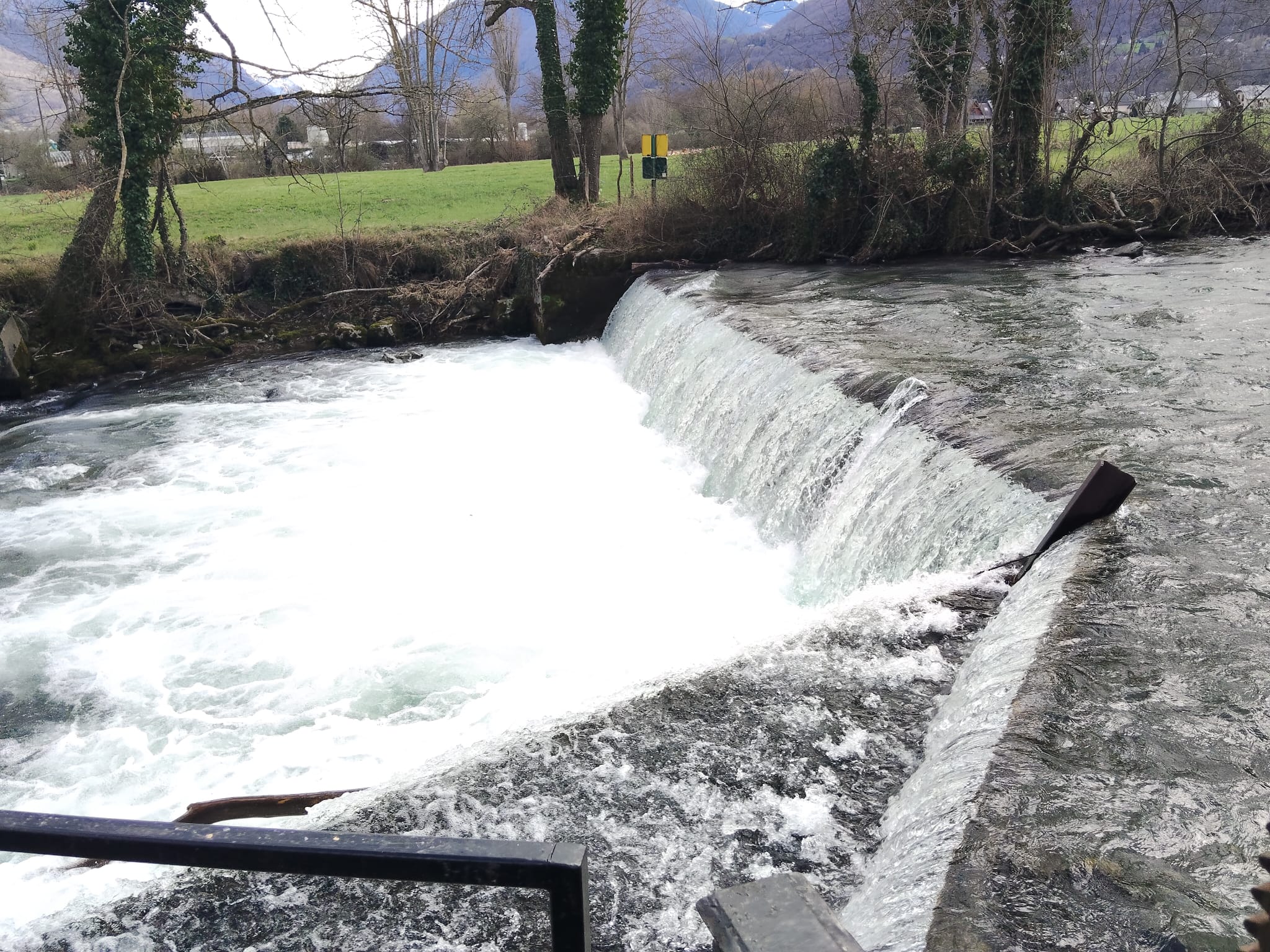
© ECOGEA, Seuil du Pont de Sailhet et seuil de la pisciculture sur le Gave d’Azun avant travaux

– The Daronne (Ardèche): The Sibila ford is a submersible road structure made up of eleven concrete culverts, located about 100 metres upstream from the confluence of the Doux and the Daronne. It is a priority structure under the Rhône–Mediterranean basin Eel Management Plan, on a river classified as a biological reservoir. The structure is currently being demolished under the project management of the SMBVD. A temporary road has been put in place for the duration of the works, and a new bridge is now under construction to maintain road access. More info.
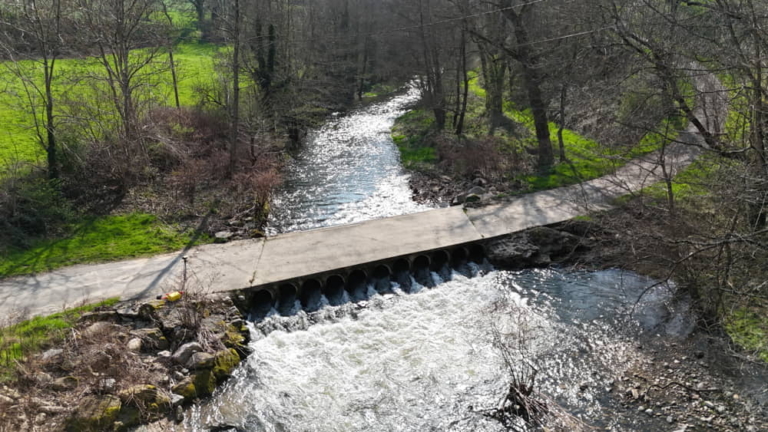
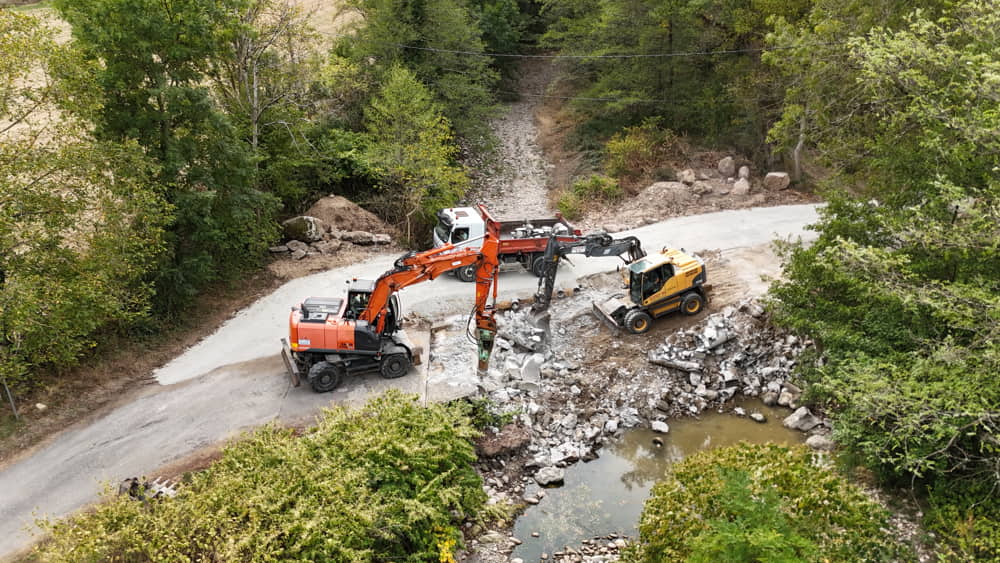
 

© SMBVD

–Le Lignon (Haute‑Loire): The Eyres weir on the Lignon was dismantled under the direction of SISMAE in July, after verifying the presence of the freshwater pearl mussel in the work area and taking all necessary precautions. Located in the heart of the Natura 2000 site “Haute Vallée du Lignon du Velay”, this disused weir created a 1.40‑metre drop and degraded habitats for sensitive clear‑water species such as trout and the freshwater pearl mussel. The restoration has reopened 10.5 km of free‑flowing river in a single continuous stretch on this section. More info.

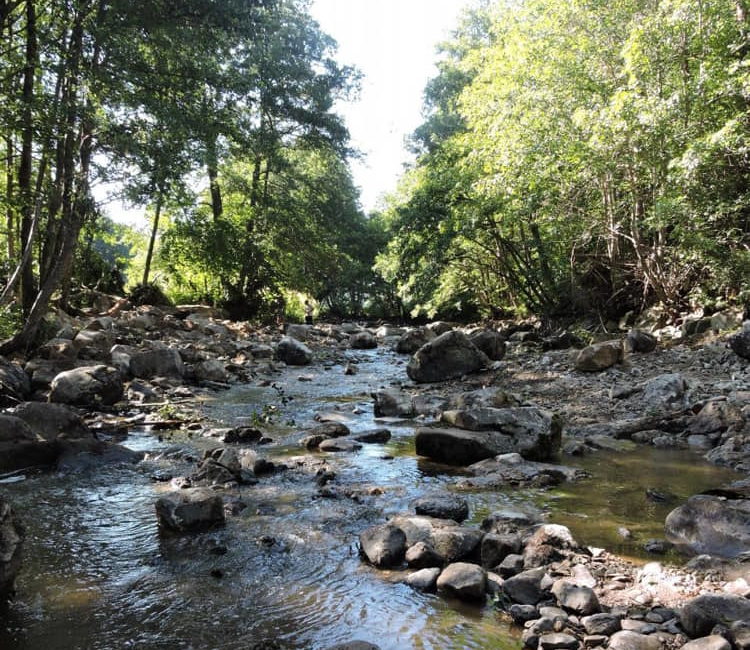
© SISMAE

-The Branugues (Cantal): About 800 metres upstream from its confluence with the Cère, ecological continuity on the Branugues stream was blocked by the Batitan weir. This stream, classified as a biological reservoir and already the focus of several restoration actions, is identified as a favourable spawning area for trout. Removing the weir will reopen more than 9 kilometres of river within a Natura 2000 site, restoring continuity along 87% of the stream. The works, carried out by the SMDMCA, are due to be completed in the coming days. More information.
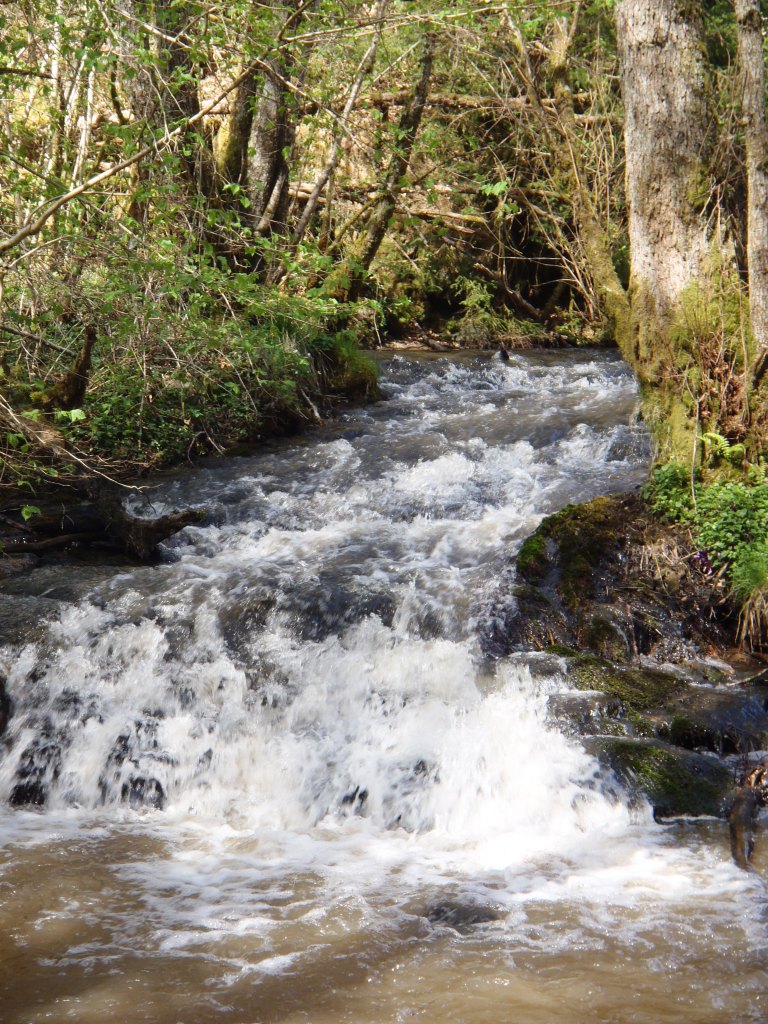
© SMDMCA

-The Boivre (Vienne): Seven small structures will be removed by the end of 2027 on the Boivre to restore the headwater sector of this tributary, classified in List 1. The first works began this summer with the breaching of the Moulin de l’Étang dam. The two branches leading to the Boivre’s two sources will be fully restored in 2027, once the pond sediments have dried. This operation is led by the SCA and will continue over the coming years. More information
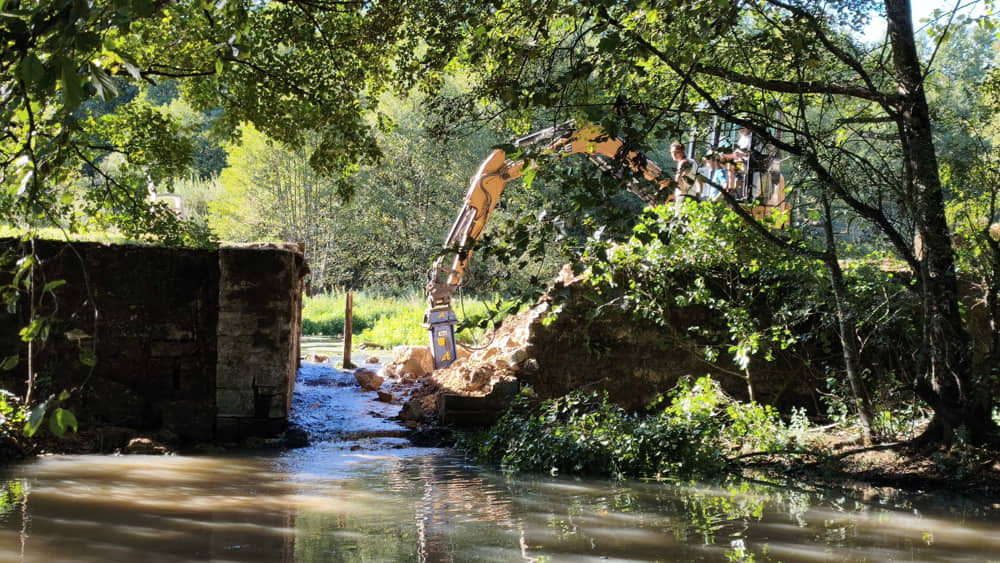
© SCA

*Dam Removal Day : is an annual celebration of free-flowing rivers and the work being done to remove obsolete barriers across Europe and beyond. Led by Dam Removal Europe, the day brings together organisations, practitioners, policymakers, communities and river champions to showcase the benefits of reconnecting rivers for nature and people. Across Europe, more than 9,000 barriers have now been removed, helping restore river connectivity, improve habitat for freshwater species, strengthen climate resilience and support healthier river systems.


#DamRemovalDay #FreeFlowingRivers #RiverRestoration #DamRemovalEurope
FREE-FLOWING FUTURE: DAM REMOVAL ACTIONS SURGE ACROSS SOUTHEASTERN EUROPE

Once lagging behind Southeastern Europe is now seeing growing action to dismantle outdated dams, weirs, and culverts that fragment rivers, disrupt fish migration, degrade water quality and pose risk of failure. A new report reveals that river restoration through barrier removal—a critical tool to revive Europe’s freshwater ecosystems—is gaining unprecedented traction in Southeastern Europe (Figure 1). The breakthrough comes as EU Member States prepare their National Restoration Plans under the EU Nature Restoration Regulation, which requires 25000 km of rivers to be restored to free-flowing conditions by 2030.

The Southeastern Europe Barrier Removal Movement Progress Report 2024–2025, documents 135 activities, including 33 barrier removals across seven countries in just 18 months, signaling a turning point for a region long behind the rest of Europe in reconnecting its rivers. The activities presented in the report were classified into: (1) those contributing to scaling up the implementation of barrier removal (e.g., seminars, stakeholder engagement, knowledge dissemination, efforts to influence policy and legislation), (2) the preparatory works (e.g., barrier mapping and assessment, and hydrological, archaeological, etc. surveys), and (3) the actual barrier removals (Figure 1).


Restoration Success Stories 

  • Croatia: Eight obsolete barriers were removed, the first ever in the country, at Plitvice Lakes National Park reconnecting 7.6 km of river and restoring habitat for the endangered Danube trout (Figure 2).
  • Italy: Five barriers on the Giovenco River were removed, reopening 11 km of free-flowing river and revitalizing local wildlife and ecotourism (Figure 3).
  • Bosnia & Herzegovina: Multiple barriers (n=9) were dismantled for the first time in the country, at Hutovo Blato Nature Park and thus 2.5 km were restored for critical fish migration routes and important endemic species.
  • Slovakia: Removal of five barriers in the region of the original channel of the Danube reconnected a vital side arm, boosting biodiversity, flood protection & ecosystem resilience.

“Southeastern Europe holds some of Europe’s most ecologically valuable rivers, yet they remain heavily fragmented. With the EU Nature Restoration Regulation now in force, there has never been a better moment to scale up barrier removals, unlock funding, and prioritize free-flowing rivers as natural solutions to biodiversity loss and climate impacts.” said Jelle de Jong, CEO WWF-Netherlands

 A Call to Action

Despite this progress, less than 1% of all barrier removals in Europe to date have taken place in Southeastern Europe. Extra support is needed to assist the launch of pilot projects, to promote awareness about the benefits of free-flowing rivers, to create networks for practitioners to exchange methods and lessons learned, and to shift existing policies that will enable the implementation of this practice.


More info :

Read the SEE Progress Report 2024-2025

Read full press release


Dam Removal Day: celebrate free flowing rivers: 2 new factsheets to understand dam and weir removals

“On Dam Removal Day, 8 October 2025, NGOs in France and Europe reaffirm their commitment to restoring waterways and removing obsolete artificial barriers. More than 1.2 million structures block the free flow of European rivers and weaken the biodiversity and resilience of aquatic ecosystems. It is estimated that more than 200,000 of these structures are unused, abandoned or obsolete. Most are small structures less than 3 metres high, such as sluice gates, weirs and culverts, which bear witness to past uses. Their cumulative impact on biodiversity and the functioning of watercourses is significant. These obstacles isolate vulnerable freshwater species already weakened by the effects of climate change, impact fish migration, and promote the deposition of fine sediments that clog the riverbed upstream of the structures, etc.”

(read press release , in french only)

To reaffirm the advantages of removing obsolete structures that have a significant impact, ERN has published two fact sheets on experiences of removal in France:

– Removal of large dams on the Sélune, 4 pages, May 2025, ERN (french only)

For over a century, the Vezins and La Roche-qui-Boit dams interrupted the natural course of the river. Their removal allowed the Sélune to return to its original bed and natural dynamics. The result of many years of debate and scientific studies, this project restored ecological continuity and improved water quality throughout the watershed. Supported by numerous organisations, it will be scientifically monitored until 2027.

The initial results are already very promising. Atlantic salmon, European eels and sea lampreys have returned, natural sediment transport has resumed and biodiversity is increasing.

– Removal of the Rhodes Bridge weir, 4 pages, May 2025, ERN (french only):

This document summarises the main stages and challenges of the project to remove the Rhodes Bridge weir, which has reconnected nearly 29 km of free-flowing rivers, benefiting local biodiversity and the quality of aquatic environments.

Vidéos and cases sutides on youtube chanel : Rivières Vivantes – Laisser Couler – YouTube

What events are planned for Dam Removal Day ?

On October 8th, Europe will come together to celebrate Dam Removal Day, a day to honour the power of free-flowing rivers and the growing movement to remove obsolete barriers.



Before Dam Removal Day, a new short film calls governmental authorities, barrier owners, practitioners and the general public to take action and restore river connectivity. Watch the video on Dam Removal Europe YouTube channel

Participate in or follow the events taking place around 8 October :

  • 8 of October : DRD Café (15:00–16:00 CEST), an online gathering where stories from across Europe come to life. Hear live interviews from inspiring events, share in the excitement of communities taking action, and connect with a passionate network of people who care deeply about rivers.
  • from 17 to 19 October : Field trip on Lignon river basin organised by ERN (more info & registration) : From its source to its confluence with the Loire, 85 km, including more than 30 km of hiking in the most picturesque parts of the basin. During these three days, accompanied by river experts, we will visit and present emblematic sites in the basin, including barriers that have been removed, such as the one in Fay-sur-Lignon,removed in 2015, as well as the area of villages submerged by a large dam in 1910. This trip, which includes accommodation and a social evening, will provide an opportunity to consider how we manage water resources in a world where the benchmarks and solutions must necessarily evolve.

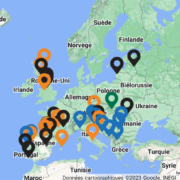
Take a look at the events map to find something close to you. Don’t miss this chance to be part of something bigger, something meaningful. Every action, big or small, helps highlight the importance of restoring rivers and bringing life back.