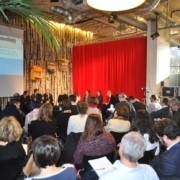
Register “Barrier Removal for Flood Prevention and Safety” webinar
WWF Netherlands and ERN – on behalf of DRE – in collaboration with McMillen are organizing this Barrier Removal for Flood Prevention and Safety webinar.

France : National Resilience Day will be held on 13 October 2025. Its aim is to raise public awareness and promote safe behaviour in the event of natural disasters (fires, floods, etc.).
The effects of climate change are already showing us that extreme events are increasing in number and intensity, as evidenced by the recurrence of severe floods and devastating fires in recent years.
Being alerted in time and learning the right actions to take are essential for saving lives. Preparing our environment and making it resilient to these hazards has become essential for long-term action.
> National Resilience Day (government)
Fortunately, nature already offers us many solutions. With regard to flood risk, for example, the infiltration of water directly into the soil, natural flood expansion areas with log jams, and open spaces along watercourses can reduce the impact of flooding in urbanised areas. The key is to integrate the functioning of the river with its floodplain.
In Brives-Charensac, this method was tested over 30 years ago. During the recent floods in October 2024, it once again proved its worth.
Following the devastating and deadly floods of 1980, a dam project was devised to protect Brives-Charensac from flooding. SOS Loire Vivante – ERN was strongly opposed the flooding of the Haute-Loire Gorges and the loss of its rich biodiversity, proposing instead to give space back to the river upstream and in Brives-Charensac over several kilometres.
Discover the developments carried out in the 1990s in a drone video
> video 3,5 min in French available on our YouTube channel
> Listen again to the webinar organised in December 2024 retracing the history of these developments and the evolution of the alert system with Yvan Cordier, Prefect of Haute Loire, Jean-Paul Bringer, Deputy Mayor of Brives-Charensac, Michel Cantal-Dupart, Urban Planner and Architect, and Tatiana Gontier, DDT 43 Head of the Risk Prevention Office.
In an open letter to those responsible for planning, delegating or carrying out work to remove logjams, SOS Loire Vivante welcomes the rapid decision by the French government to provide financial support to communes and communities of communes, but is also surprised at the way in which the work has been carried out.
In some sectors, clear-cutting was carried out without any distinction being made between vegetation that poses a problem for the flow of water and vegetation that is useful for the proper functioning of the environment and for maintaining the banks. Riverside vegetation is a habitat for numerous species, including the emblematic beaver, the otter and many birds. The lack of training or guidelines for the companies to whom the work is delegated is no longer possible.
In its letter, the association also asked that future logjam removal and, above all, maintenance projects in the Allier region be subject to precise specifications to take account of biodiversity issues, while respecting the environment and species protection laws.
from wwf epo , 24 january
Europe stands at a critical juncture. As the fastest-warming continent, we are witnessing the devastating impacts of climate change – from deadly floods to severe droughts and wildfires – all driven by extreme water events. At the same time, Europe’s freshwater is widely polluted, with less than 30% of surface waters meeting pollution standards set by the Water Framework Directive. Time is running out, but decisive EU leadership can pave the way for a resilient future.
As the EU prepares its Water Resilience Strategy, the Living Rives Europe coalition is launching its joint position on the path forward for a water and climate resilient Europe.
Read the position here.
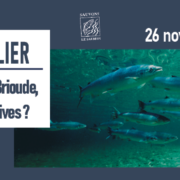
Public debate – also via videoconferencing and webinars
Register and take part in our next webinars. Already 3 new dates.
Programme details and registration here (in french only)
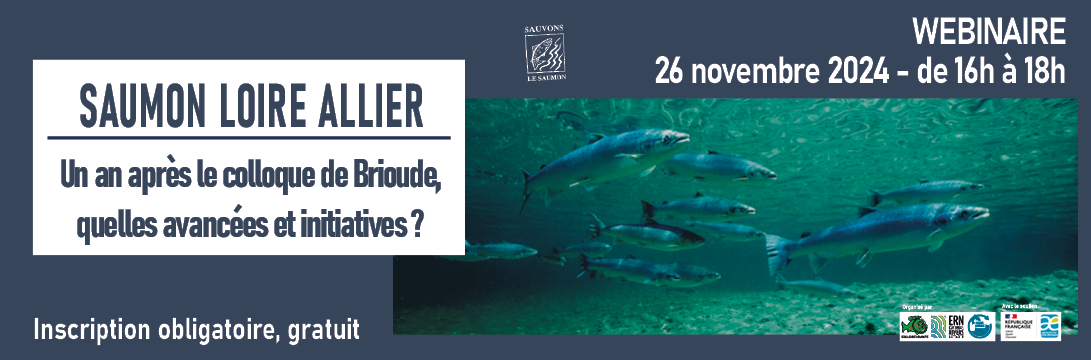


We were all impressed by this latest episode of flooding on the upstream Loire, which brought back a few memories.
Fortunately, once again, the arrangements at Brives-Charensac and the warning systems for major floods worked well.
The SOS Loire Vivante – ERN association is delighted to be behind this 4th solution.
In December, we will be organising a webinar on the subject of flood defences at Brives-Charensac, including an assessment. This will be an opportunity to find out more about the project.
In the meantime, for more information, you can read the brochure published in 2019 by the Ministry on the role of ecosystems in preventing natural hazards and page 11 dedicated to Brives-Charensac.
You can also read the article in L’Eveil about the flood of 17 October 2024.

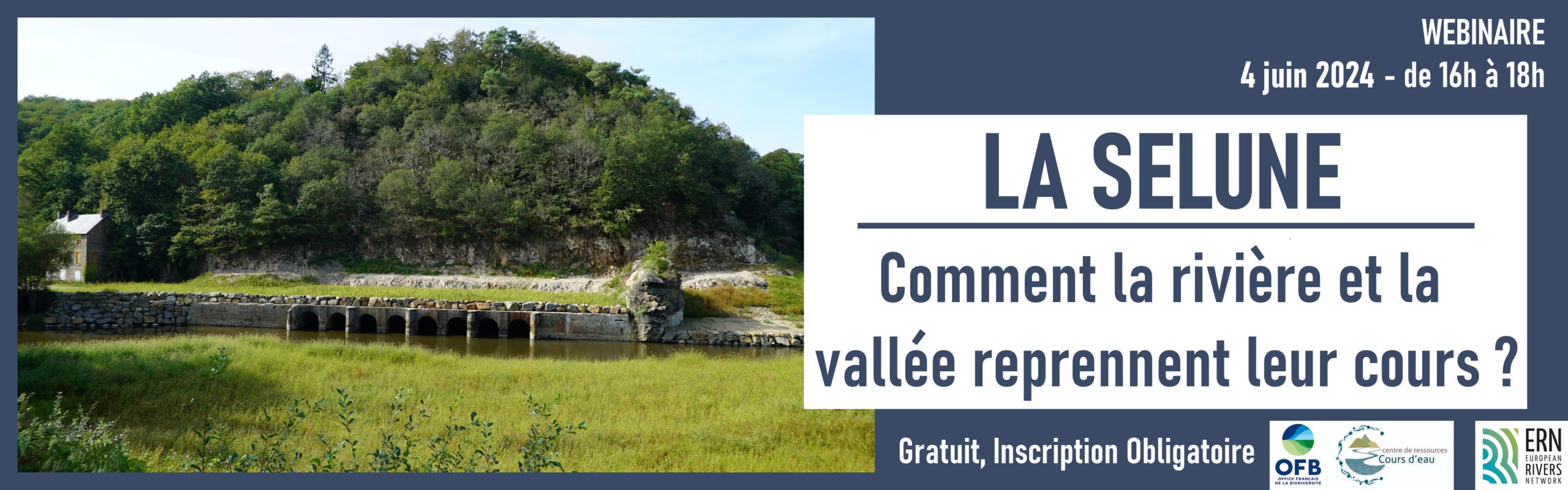
In the series of Tuesday webinars organised by ERN- SOS Loire Vivante, book your Tuesday 4 June trip to the Sélune.
ERN France in partnership with the OFB is organising a webinar on the Sélune on Tuesday 4 June from 4pm to 6pm.
We will be welcoming 3 researchers. They will present the latest results of their work. Focusing on the post-effacement phase, we will try to understand how the river and the valley are resuming their course. The presentations will be followed by an hour of discussion.
Programme:
Alain Crave: Restoration of sedimentary, hydric and chemical continuity and changes in water quality
François Martignac: Recolonisation of the Sélune valley by migratory fish
Marie-Anne Germaine: What project for the region after the dismantling of the Sélune dams? A social approach to ecological restoration
If you are interested, register to take part in the webinar (in french) : https://us02web.zoom.us/webinar/register/WN_ytrz6dxMQUCAhysM6DCCVw
All replays of our webinars (french only) : Webinaires – European Rivers Network (ern.org)
In a couple of weeks, we’ll be celebrating wetlands all over France and the world!
530 events have already been approved for WWD 2024.
From 2 to 29 February, organise or take part in an event on the theme: “Wetlands, sources of human well-being”.
With between 70 and 90 people registered for each webinar, SOS Loire Vivante – ERN is helping to raise awareness of the issues surrounding water and rivers.
Watch the replays of our webinars from December 2023 and January 2024 (french only):
9 January 2024: Flood risk: “How can technology help us respond better to flood risk?” more info and programme here
19 December 2023: Law, Hydro & Ecological Continuity, more info and programme here , organised in partnership with Réseau RivièresTV, the Centre de Ressources Cours d’eau and supported by the French Office for Biodiversity (OFB)
5 December 2023: Water stress and water savings on the Allier, more info and programme here
All our webinars since 2020 (french only)
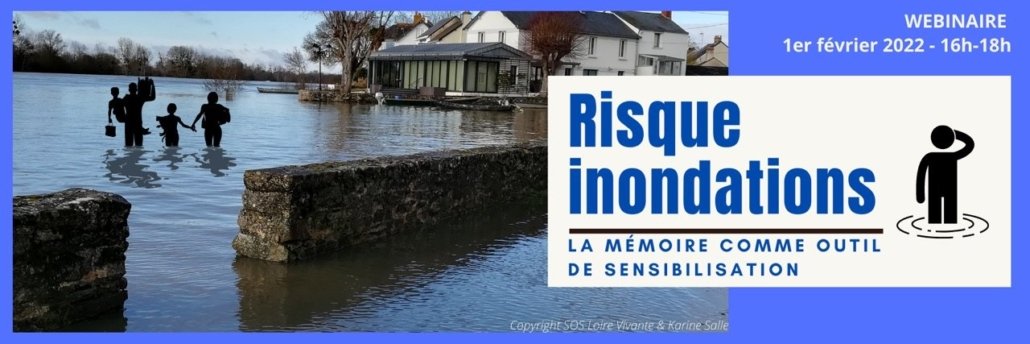
With climate change, the risk of flooding is changing. Raising awareness and transmitting the memory of the risk are essential to better live alongside living rivers. Through examples of cities in France and abroad, ERN proposes to review the situation on Tuesday, February 1, from 4 to 6 pm during a webinar.
Detailed program available soon.
>> You can already register by clicking here! (french langage only)
ERN France
8 rue Crozatier
43000 Le Puy en Velay
+33 (0)4.71.05.57.88
ERN is the official WWF Freshwater Partner in France and cooperates with WWF Switzerland, Austria, Netherlands and others